January 6, 2026
.png)



Before the full read, here are the takeaways I’d share with a pricing leader who was in a hurry.

A sales rep stares at a quote they know is too low. Margin is slipping, but the fear of losing the customer wins out.
With no clear guardrails or proof that the price will hold, the safest move is always the same.
Lower the price.
That moment is where pricing breaks down for distributors and manufacturers: not in strategy, but in execution.
Safe zones exist to change that moment. They give reps practical boundaries that show where pricing will stick, where it needs caution, and where it should not move at all. When those boundaries are visible and defensible, fear starts to disappear, and better decisions follow.
Having spent years inside large B2B pricing organizations, I’ve watched this play out repeatedly. When pricing teams cannot clearly show why a price should hold, hesitation fills the gap. And hesitation almost always gives way to margin erosion.
Safe zones flip that dynamic. They turn pricing intent into something reps can confidently act on with customers.
THE HIDDEN MARGIN PROBLEM IN REBATE PROGRAMS
Most rebate programs reconcile. Few actually protect margin.
Across the industry, companies are losing 3–5% of margin through rebate and chargeback blind spots. Read the Report
Even with the best intentions, most distributors and manufacturers are operating with:
In large organizations, this is usually not because people do not care. It is because pricing knowledge is spread across too many places. Spreadsheets, legacy tools, and individual experience all compete, forcing reps to make rapid decisions without sufficient context.
When reps cannot see the why behind pricing, they default to what feels safest in the moment. Margin quietly disappears.
Safe zones are built by mapping profitability, volume, and buying frequency to show what good pricing looks like for each type of customer:
For example, a rep can see that a customer who buys twice a year in a less price-sensitive category is a strong candidate for a price increase with relatively low risk.
This shifts the internal conversation from “Will I lose this customer?” to “Customers like this accept this price. How do I move them there?”
This shift is where confidence starts to build. When reps trust that customers with similar profiles have accepted similar pricing, execution becomes faster and more consistent.
The ProfitOptics Matrix Miner solution reassured one electrical distributor’s sales teams that they were not risking key accounts just to chase margin. In the first five months of the solution focused on select transactions, the distributor saw a 1.7 percent improvement in Gross Profit Percentage from price changes, or nearly $270K in GP. They expect a $737K benefit over the first 12 months in the initial phase.

Once safe zones are defined, the next challenge for distributors and manufacturers is making sure they are actually used. Insight alone does not change behavior. The system has to support it.
The goal is simple. Make the right pricing decision the easiest decision for a rep to make.
Here are a few practical ways to do that.
1. Provide clear, intuitive guardrails.
For example, share:
When these guardrails are visible, reps no longer feel like they are guessing where the line is.
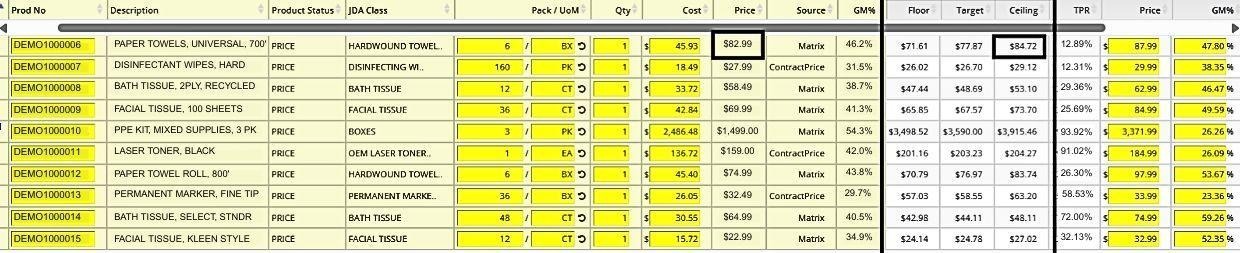
ProfitOptics helps distributors and manufacturers protect relationships by accounting for:
Color coding inside pricing tools makes this immediately actionable:
Reps instantly know where they have room to move and where they should hold steady.
WHERE 3-5% OF MARGIN DISAPPEARS
Rebate programs are one of the largest—and least understood—drivers of margin performance.
Our latest industry report breaks down the systems gaps and operational blind spots that quietly erode 3–5% of margin in distributor and manufacturer rebate programs.
3. Make approval routing clear.
If someone goes below the floor, make sure your system:
The intent is to provide control without handcuffing sales reps.
From experience, reps do not resist pricing because they are careless. They resist it when the process feels opaque or punitive. Clear routing builds trust on both sides.
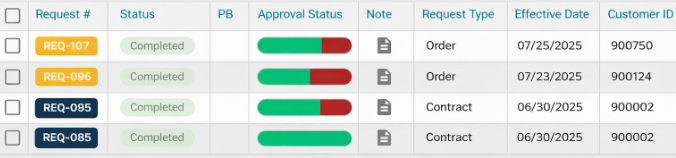
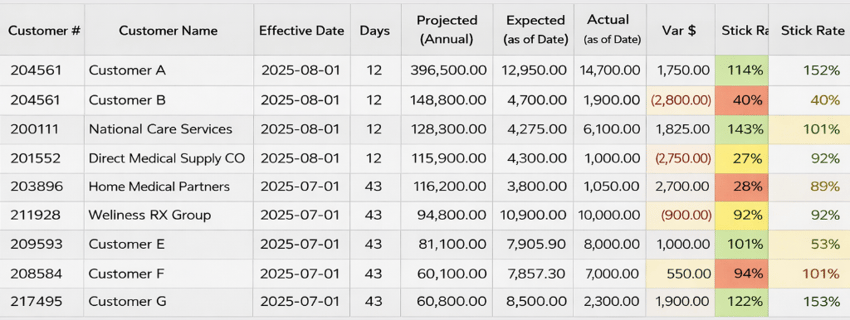
A price win is not a win until it shows up in the P&L. When pricing leaders and sales teams can see what stuck and what was overridden, everyone learns faster what works.
Leadership gains visibility into projected versus actual margin impact. Reps gain clarity on where pricing holds in the real world.
If sales occurred without the intended price increase, it can be corrected in the next round rather than being discovered months later during a quarterly review.
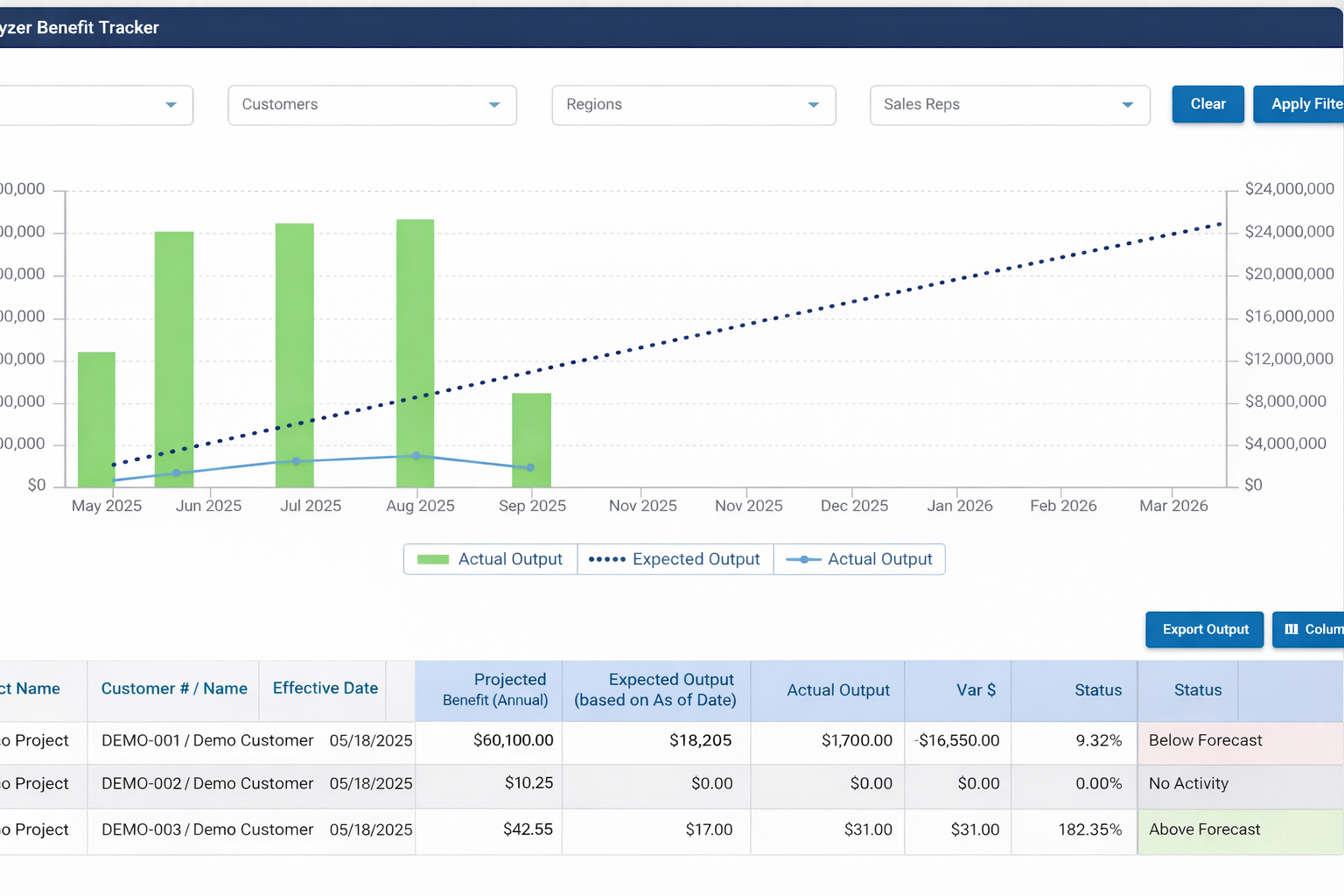
ProfitOptics provides this visibility through the Matrix Miner solution, from transaction-level detail to overall impact tracking.
ProfitOptics can also show the overall impact:
 Where Safe Zones Fit Into a Broader Pricing Strategy
Safe zones bridge the execution gap between pricing strategy and what happens when reps engage with customers. They make pricing guidance visible, defensible, and grounded in customer behavior so adoption becomes the default rather than the exception.
When reps understand where pricing will hold and why, distributors and manufacturers are better positioned to:
Pricing strategy only works when reps trust and follow it. Safe zones give sales teams confidence, protect key relationships, and help reps explain the why behind every price.
In practice, that confidence enables pricing organizations to move forward. Not just designing better strategies, but seeing them stick.
If you are wrestling with the execution gap, where a solid pricing strategy still leads to hesitation in the field, it is worth a conversation.
We spend a lot of time helping distributors and manufacturers translate pricing intent into tools reps actually trust. If that challenge sounds familiar, let’s compare notes.
For context, this perspective comes from more than two decades of working inside global B2B pricing organizations and alongside pricing teams through significant transformation efforts. Having sat on both sides of the table, I have always found the focus to be the same: make pricing decisions clearer, more defensible, and easier to execute in practice.
THE MARGIN MOST COMPANIES CAN'T SEE
Pricing gets the attention. But rebates and chargebacks often determine the real margin outcome.
Our latest industry report shows how distributors and manufacturers lose 3–5% of margin through hidden rebate leakage—and what leading teams are doing to prevent it.